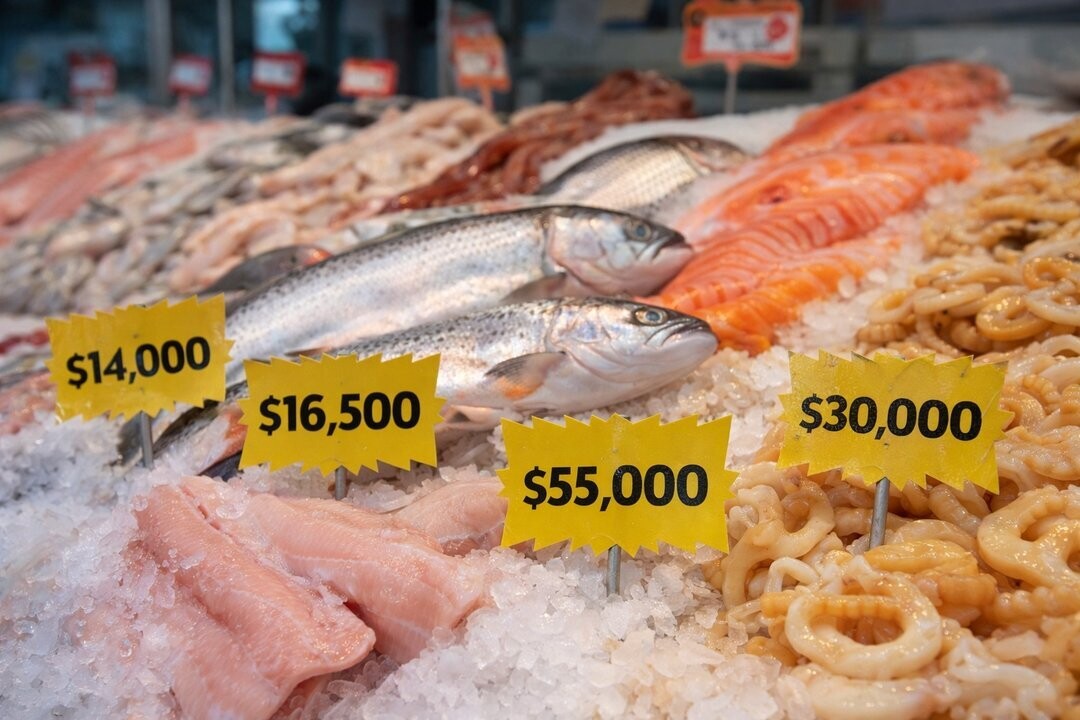
As occurs each year in the lead-up to Holy Week, fish prices return to the spotlight, this time with price hikes, a feeling not only associated with the arrival of Easter. A recent report from FULAS warns that the current increases are not explained by the value at origin, but by commercial intermediation. The survey, conducted between March 10 and 28 in 364 businesses across the country—including supermarkets, self-service stores, and fishmongers—concludes that the final consumer price multiplied to "abysmal" levels compared to the value of the fish at port, as confirmed by the Argentine News Agency. From the dock to the shelf: increases of up to eight times. According to the study, the kilo of fresh hake has a value close to 1,700 pesos at port. The current ratio—1 to 3 between port and wholesaler, and 1 to 8 between port and consumer—represents the greatest distortion recorded in the last decade. "The increase at port explains only 13% of the final price," stated Raúl Cereseto, who directly pointed to "commercial speculation" as the main cause. Other species also skyrocket. The phenomenon is not limited to hake. Other products show equally steep increases: Pink salmon: rose from 14,000 pesos in 2023 to 55,000 pesos in 2026 (+292%). Calamari rings: from 5,000 to 30,000 pesos in the same period (+500%). These increments solidify the trend of sustained price increases for fish in the domestic market.